
WESTERN MEGALITHIC CULTURE
In late Neolithic period, the custom of erecting gigantic monuments became popular in North and Western Europe because Neolithic farmers paid special attentions in making the burials in contrast to the hunter-fishers of the previous period.
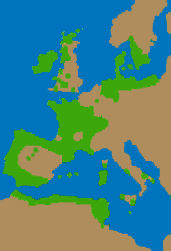
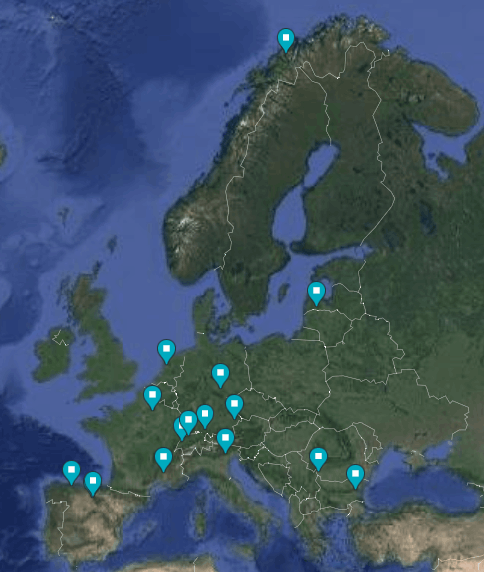
@Origin of R1b-L51-A series of genetic papers published since 2015 have served to impose the dogma of the steppe origin of the R1b-M269>L51 lineage based on a series of clearly scarce and unconvincing evidence
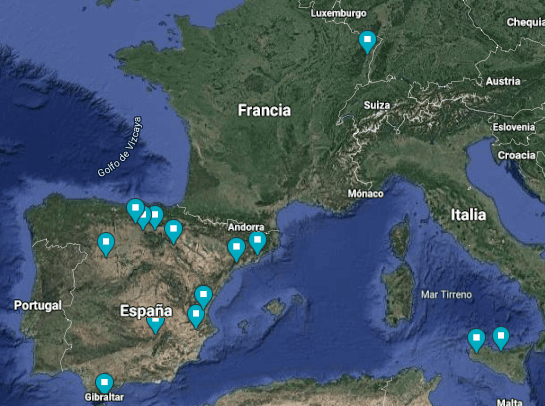
@Y-Hap-R1b-Df27-Geographic origin, doubts, mistakes, lies and opinions- The Kurganist hordes that dominate the international scientific community and the specialized pages and blogs that are used by fans of archaeology, anthropology,
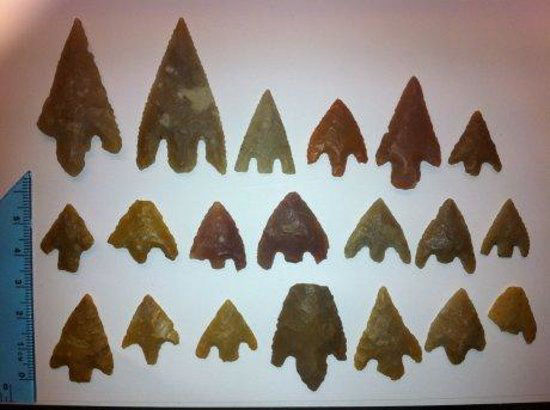
@Iberian origin of the Bell Beaker culture-In 1894, the archaeologist D. Antonio Vives Escudero (Madrid, 1859-1.925), commissioned by the Royal Academy of History (created by Royal Decree of SM Felipe V on April 18, 1738), carried out an emergency excavation in Cuesta de la Reina...
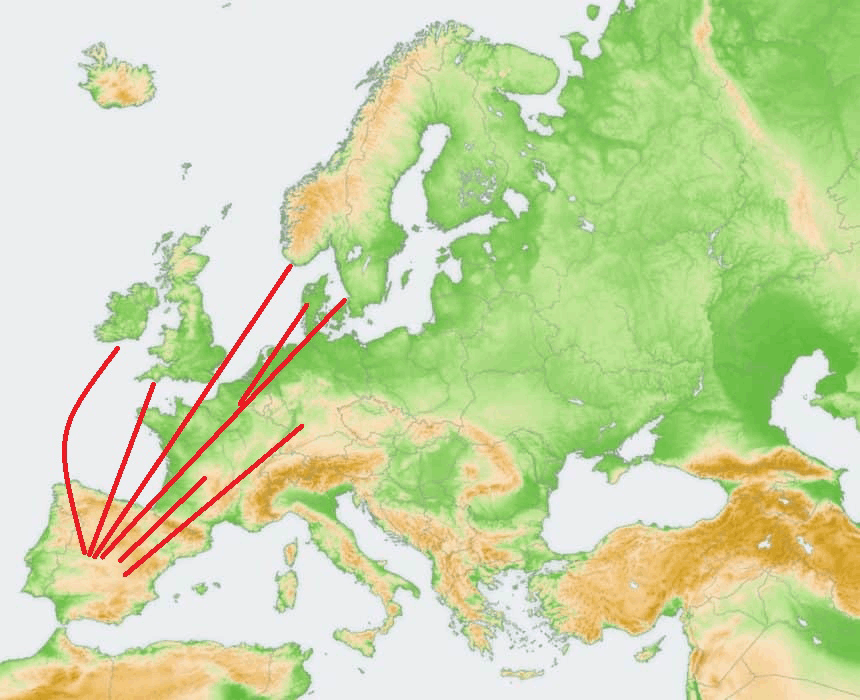
The material, technical and technological characteristics of the Bell Beaker culture require an important specialization in the manufacture of most of the objects that compose it. The manufacture of ceramics both in the forms (determined patterns) and in their decoration, requires imagination, dedication, skill, and effort, while the manufacture of metallic and symbolic objects (copper, bone, stone, wood, ivory) requires knowledge, ideology, and availability of materials that not all human groups shared or had within their reach.

IThe Vasconic substrate hypothesis is a proposal that several Western European languages contain remnants of an old language family of Vasconic languages, of which Basque is the only surviving member. According to Theo Vennemann, Vasconic languages were once widespread on the European continent before they were mostly replaced by Indo-European languages. Relics of these languages include toponyms across Central and Western Europe